From Lonely Women to Women of Wonder

pexels-photo-862848

My phone sits on our kitchen counter, buzzing. The dark red laminate counter that I’ve always tolerated frames my iPhone: an underestimated rectangle of information, connection, and distraction, bordering addiction. I make a mental note to add kitchen countertops to the very end of a long list in my mind of things to do, with those things that I merely wish were different, at the end.

Today, at the beginning of the list are things like: laundry, get sandwich bags, clean toilets, return library books, and write. The thing is, most days I can’t seem to get beyond the beginning of the list where the daily, never-ending tasks stay. Some days, I don’t even get through those, and my family takes turns all week fetching clean clothes from the dryer and picking outfits out based on which items have the least number of wrinkles. I hear people say mothers are superheroes, but today, I can’t even remember where I put my coffee cup.

By the time I finish thinking through my list, the phone stops buzzing. I add call sister back to today’s mental list and scratch off kitchen countertops from the bottom because in the end, it’s not a necessity, and I’m too overwhelmed to believe we could ever get there. I scroll Instagram and see someone’s renovated kitchen and someone else leading their own business dream with lipstick on and toddlers dressed like trendy teens in tow, while my own toddler calls from the bathroom for help wiping and I realize that one of my sons still isn’t dressed for school.

These thoughts enter my mind: I am the only one. Everyone else is getting it all done and living their best life dream-chasing in unwrinkled clothes. My gifts and dreams are at risk of being lost in the wash like notes and dollar bills we forget we had in our pockets.

This post was originally written for (in)courage.  Click on the link to read the rest!

God Sings Over Me in My Mother’s Language

baby-2980940__340

I have these memories of my mom making hand motions while singing San Toki, Toki Ya when I was sad or right before I went to sleep as a little girl. She would hold one arm up to symbolize a horizontal path and then prop her other hand behind it with her first two fingers peeking up from behind her first arm like a rabbit’s ears. She moved her finger-made rabbit up and down to show it bouncing away and then bouncing back again. It was this one song she sung to me in Korean about a bunny who ran away and came back home again that attached itself to my heart and never let go.

We didn’t speak Korean to one another at home when I was young. I’ve heard different reasons for why this was. And while this might be bold to say, considering the fact that I cannot have a conversation with anyone in Korean, the language feels like a piece of home to me. I can pick it out of a busy city street. I know the curves and movements of it’s sound. I’m convinced it rests deep in my heart. It’s as if it were there in my earliest moments, God speaking it straight through my mother’s thoughts, mouth, and body, pressing it into my bones and ligaments, letting it help form my innermost parts.

Read the rest of this post over at (in)courage.

Listen to the Flowers

flowers-604016_960_720

Yesterday the clumps of unremarkable leaves that line the side of our front walkway were suddenly sprinkled with periwinkle.  Our Woodland Phlox had begun to flower.  I am struck with how startled I was to see them again.  Although I’d become tired of the plain brownish-green stumps of plants they had been for months now, it’s as if I had forgotten the beauty they were capable of.

Today, the flowers on top opened and there were even more pops of periwinkle sprinkled across the plant like pinky promises. Their modest but sure arrival was begging me to pledge to notice them when they fully bloom, and believe they were always on the way, even when I couldn’t see their reality or imagine them last month.

After the joy of the first snow of Winter early on last season, I spent months wishing for the end of it.  After weeks of gray-skied, lip-cracking, static filled days, I became decidedly weary of Winter and waiting, quickly forgetting what Winter was working hard to bring about again.

When Spring finally spreads through our neighborhood, noticing is uncomplicated. The birds sing wildly in the now early morning light, and the Crabapple tree in our front yard lets loose a million white flower petals to the wind as if our streets were made for a wedding celebration instead of the everyday grind of commuters, yellow buses bringing hungry kids home, and mail trucks filled with bills and impersonal ads. It’s as if Spring has perhaps always been and exists on it’s own, unrelated to the long, mostly unseen work of Winter.

It’s not just the seasons. I feel this way about the character God is growing within me and my children when there are months without any evidence of it despite so much intentional work. I feel this way about longing for racial reconciliation within the church. I feel this way about the important relationships in my life that aren’t in the places I hope for them to be. I feel this way about my aging body when changes seem slow to show, despite work and desire to grow and become healthier and stronger.

The more I begin to recognize the way that what’s seen and unseen are two necessary parts of a whole thing, the more contented and convinced I become, no matter the season. The more I look beyond the surface of what is seen, the more I see the world around me, even the day to day mundane and the seemingly still unchanged, with hope and wonder. Click to tweet  The more I surrender to the way that each of the seasons is irrevocably connected, the less I try to pull and pick them apart from one another, resisting their bond.

I often think about the way Jesus was prophetically described in Isaiah as someone who would be tender, lacking in physical beauty or majesty, melancholy, rejected and disliked. His family, friends and followers were asked to see beyond what was seen when he was living on Earth, from his humble birth to his death on the cross and everything he did in-between.  His description seemed opposite of what anyone would ever expect while knowing who and what He truly was.

The memories of past Springs remind me that our little Phlox flowers won’t stay for long.    The birds will finish their busy morning songs and our Crabapple tree will lose it’s snow-white flowers one by one. Most celebrations in life are short and sweet no matter how we hang on.  The Phlox petals will fall back to the earth they rose from, leaving plain green plant leaves to stay throughout the rising heat of Summer.  If I pay attention, I know I will be asked to remember every part of their imperative rhythms as purposeful; and if I listen closely to the voice that matters most, I will be wooed towards greater faith and sight until they rise again.

When Being Mixed Makes You an Interruption

food-photography-2610864_640

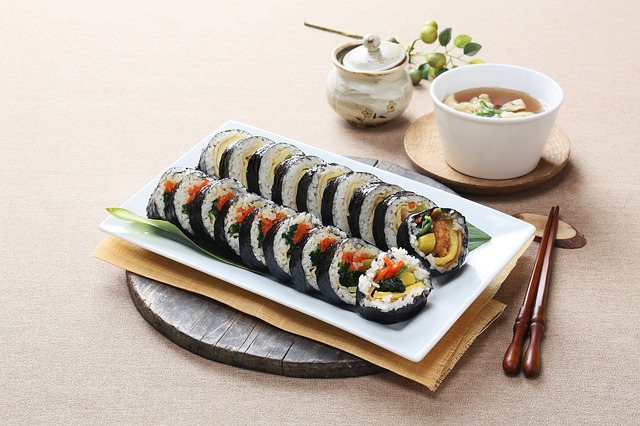
We drove north on highway 101, heading to my grandparents’ house. My dad’s parents only lived a few hours away from us, so we would go there for holidays whenever we could. We curved this way and that along the coast and away from it. In the seat next to me, unbuckled, sat a large platter of my mom’s Kimbap, covered in plastic wrap. I could smell the sesame oil and garlic seasoned spinach, the Bulgogi, the carrots and the omelet pieces smooshed together and held hostage by a perfect roll of white rice and seaweed.

I studied the number of ferns my mom had added to each roll—trying to decide whether or not I would need to discreetly remove them, or if it was a small enough amount to allow them to blend in with the rest of the flavors I loved. The heat from the freshly cooked and assembled spheres clouded the layer of plastic wrap hovering over them. The scent made my stomach growl. My mom made Kimbap to eat as afterschool snacks, for my dad’s weekday packed lunches, and on road trips—and it was agonizing to sit next to it for hours in the car.

When we got to my grandparents’, the first thing I noticed was the table brimming with dish after dish of food. Just behind their plaid his-and-her arm chairs sat trays filled with potato chip- and cereal-topped casseroles, and pies baked to a perfect golden brown. The dishes blended together, working together, their colors matching like the rich colors of fall. My mom placed her Kimbap on the table. Our food offering took its place among the rest, proud and bright, like summer. Its scent was undiminished by the other scents, eluding the obvious that it didn’t quite blend in. It was the interruption on my grandparents’ table, the break in an expected conversation of tastes and recipes. I wondered: was the Kimbap lonely because of its distinction?


Head on over to Fathom Mag to read the rest of this post!

Almond Eyes

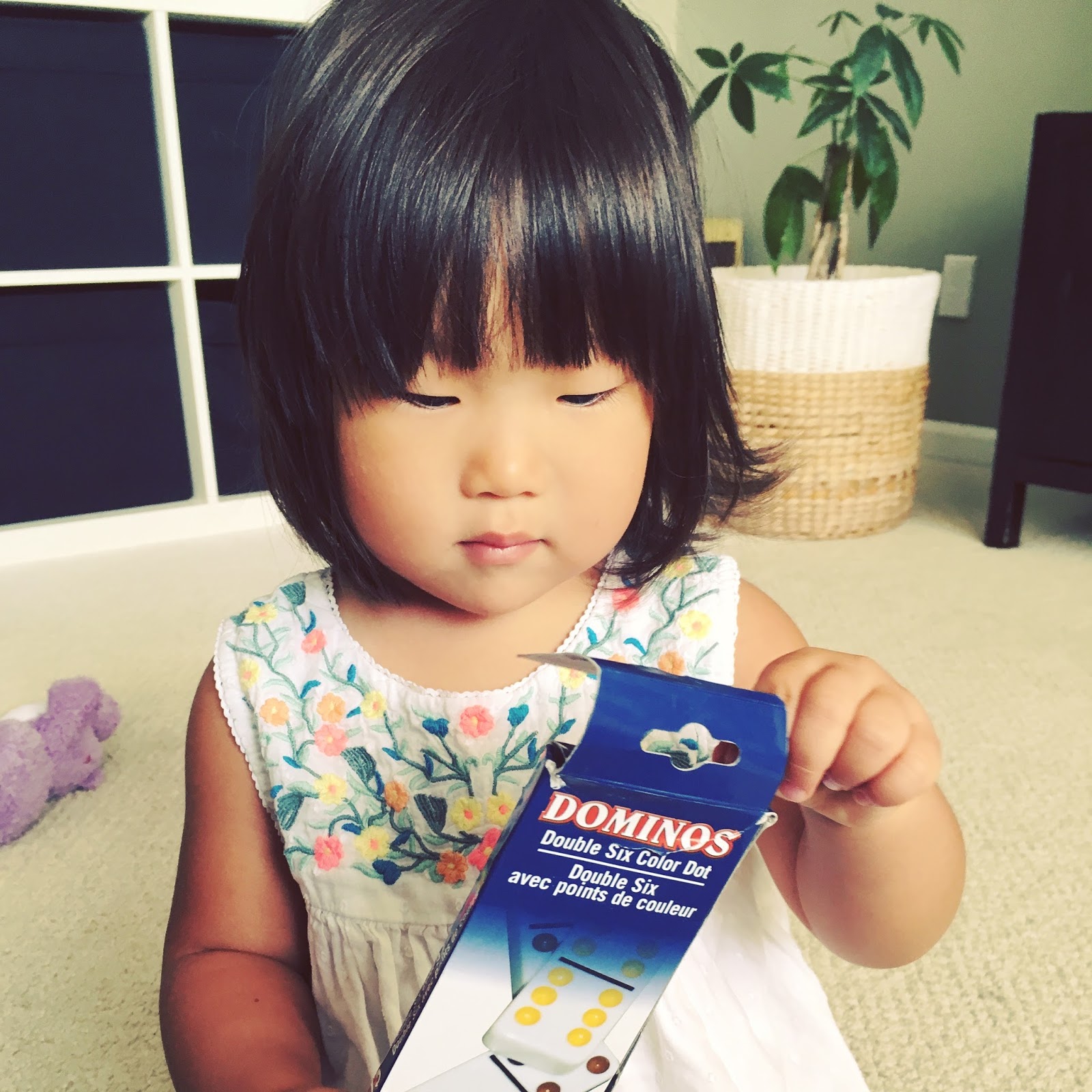
 I just trimmed your bangs last week. Now your eyes are uncovered and I can see midnight within them.
At two years old, your thin, almond shaped eyes have seen two continents, two countries, and three homes. They are already a familiar with loss, but know the hope of a new morning. They wear the squint that laughter brings. And while it’s taken time—and tears—since your adoption seven months ago, they know that love can grow yet again.

My resilient girl, what will your eyes encounter as the days continue to pile? Everyday, I catch a little more confidence in your gaze. For now, the magazines at the checkout aisle are a game: you try to yank them down, giggling, while I put them back and try to pay for our groceries. Those pictures are nothing more to you—just a game. My beautiful girl, you don’t yet know how they want to confuse you, selling you half-truths and subtle lies.
Will you notice someday that none of the women on those magazines have the same
eyes as you?
Read the rest of the post over at Fathom Mag